Workflow Automation
Server-side rules and automated flows for the repetitive parts of running a business.
We automate the repeatable operational workflows inside a business: scheduling, approvals, stock and inventory tracking, document lifecycles, and multi-step processes that currently rely on someone manually pushing each step forward. Our Saloon Management System automates point-of-sale, inventory (with automatic stock reduction and low-stock alerts), staff attendance and commission tracking, and reporting across multiple branches. Kanaka Gold Loan automates the borrower application lifecycle: eligibility estimation, KYC, appointment scheduling, and server-side rate/fee/repayment calculations. MediConsult automates appointment scheduling with calendar sync and a multi-step prescription lifecycle. We build automation as explicit server-side rules and state machines, not fragile scripts, so the logic is auditable and doesn't silently break.
Who this is suitable for
- Multi-location or multi-branch operations that need consistent process execution across locations
- Businesses with multi-step approval, application, or lifecycle processes currently tracked manually or in spreadsheets
- Teams losing time to manual data entry, stock tracking, or status updates that could be rule-driven
Business problems this addresses
- Manual tracking of stock, staff attendance, or multi-step approvals across locations
- Application or request lifecycles (loans, prescriptions, bookings) that require manual status updates at each stage
- Inconsistent process execution when the same workflow is run by different people or at different branches
What we actually deliver
- Defined workflow states and transitions (a state machine, not ad-hoc status fields)
- Server-side business rules: calculations, validations, and triggers that don't depend on a person remembering the correct sequence
- Automated notifications and status updates as a workflow progresses
- Reporting and dashboards showing the operational data the automation produces
What's outside the standard scope
- Fully unattended financial transactions with no approval step: server-side rules calculate and validate, but consequential actions get a review point where warranted
- Replacing a business's operational judgment entirely: automation executes defined rules, it doesn't make novel business decisions
- Integration with legacy on-premise systems with no API surface, unless specifically scoped
Technical capabilities
- Explicit state machines for multi-step processes: Saloon Management runs statuses across services, appointments, and commission calculations
- Server-side rule engines for calculations like rate snapshots, LTV, fees, and repayment schedules (Kanaka Gold Loan)
- Real-time stock/inventory validation with automatic reduction and threshold alerts
- Calendar and scheduling sync (Microsoft Graph / Outlook, as used in MediConsult)
Integrations and technologies
Delivery process
Every engagement follows the same fixed-scope process: Scope → Build → Launch → Grow. A 20-minute call and a 2-page proposal define fixed scope and price, weekly Friday demos show real progress, and launch means deployed, tested, documented, and handed over.
What affects the timeline
- Number of distinct workflow stages and the rules governing transitions between them
- Whether automation needs to sync with external calendars, payment systems, or communication channels
- Multi-location/branch scoping requirements if the business operates across sites
What affects pricing
- Scope, integrations, AI complexity, and deployment requirements set the final quote
- A Core MVP engagement (45 days) typically fits a first automated workflow covering the highest-impact process
- Fixed price after a 20-minute scoping call; 50% advance to begin
Security, privacy, and human review
- Role-Based Access Control: scoped permissions per role (owner, manager, staff), enforced server-side
- Monitoring & Logging: audit trails so workflow state changes are traced, not just visible in the current UI state
- Fallback Flows: when an automated step fails, the workflow degrades to a manual path instead of breaking silently
See the full list of engineering practices on Built for Production.
Relevant case studies
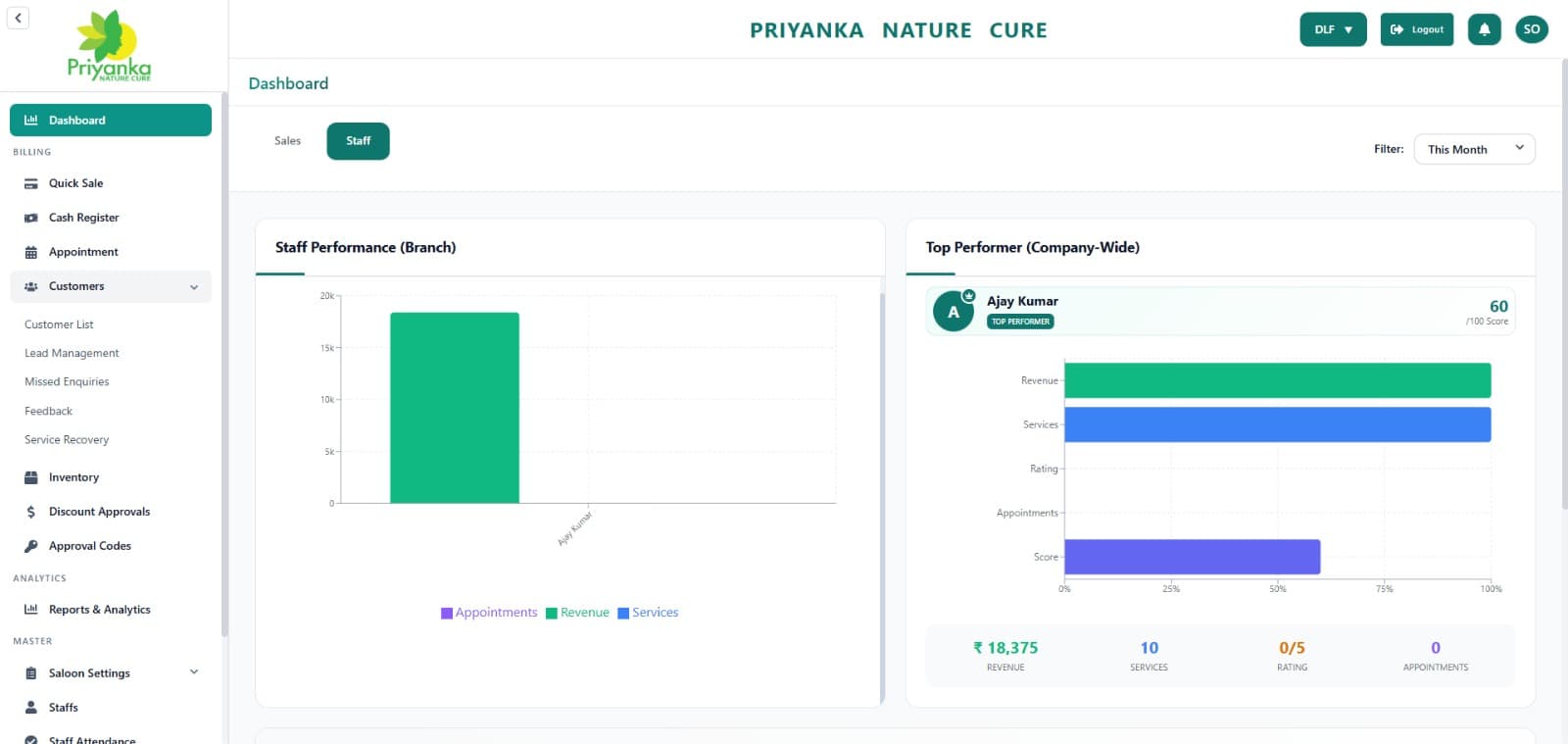
Saloon Management System
Operations platform for multi-branch salon and spa businesses.
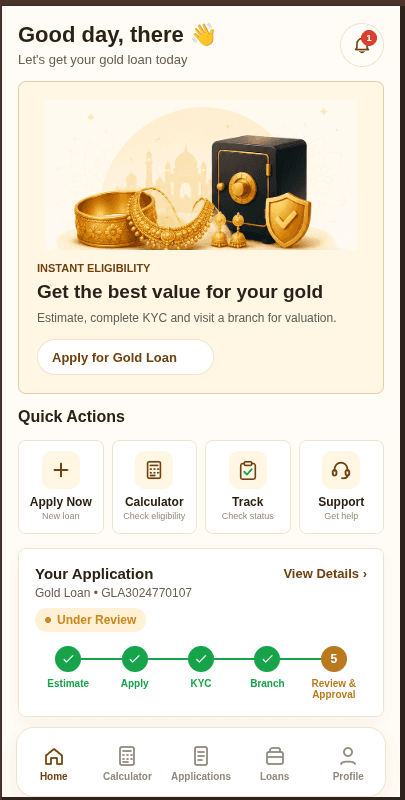
Kanaka Gold Loan
Digitizes borrower and admin journey for pledge-backed gold and silver loans.
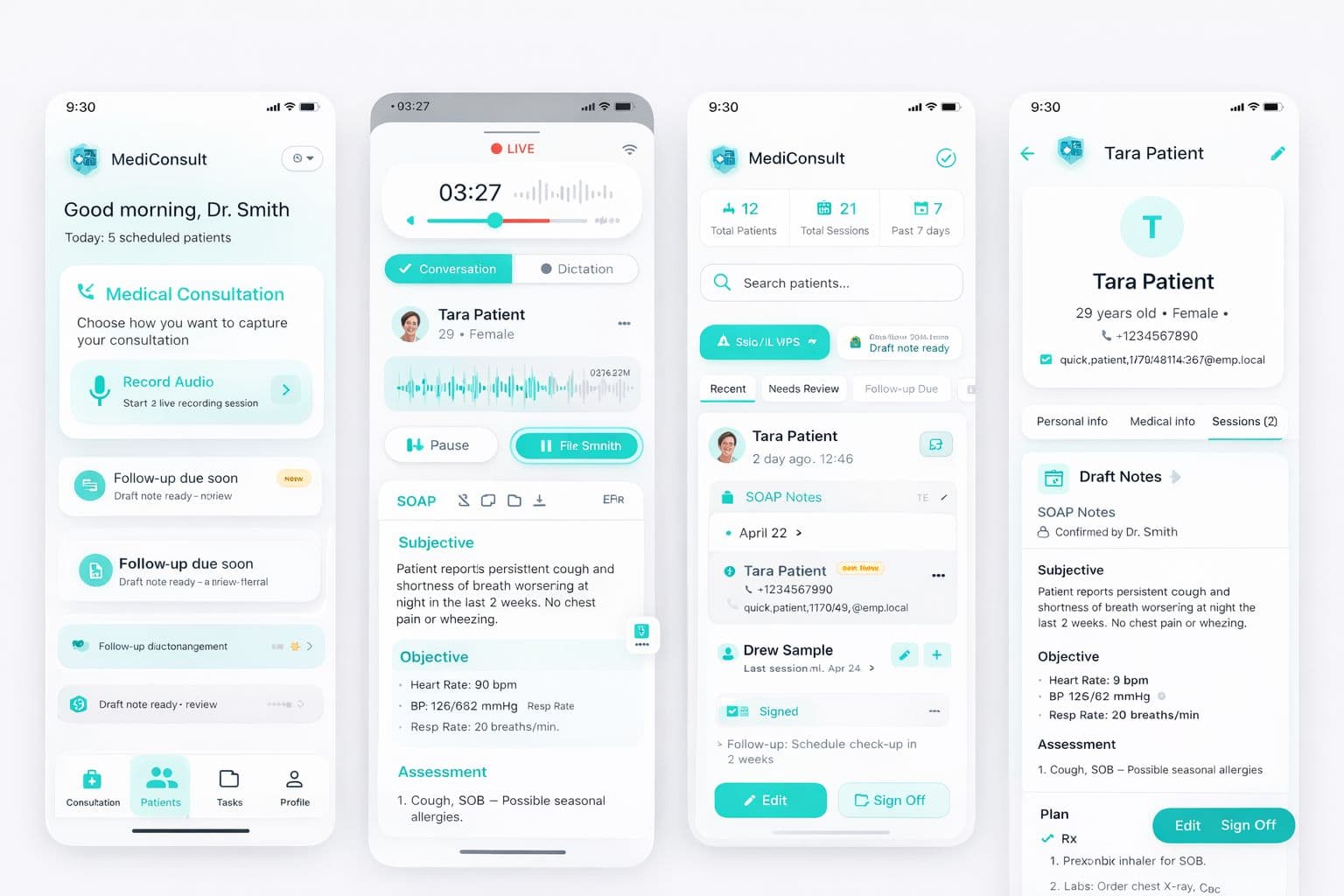
MediConsult
Healthcare operations platform for patients and doctors, combining consultation, scheduling, documents, prescriptions, and communication workflows.
Common questions
Is this the same as an AI agent?
Related but distinct. Workflow automation is explicit, deterministic server-side rules and state machines (e.g. loan rate calculations, stock thresholds). AI agents handle less structured, judgment-requiring tasks like document extraction. Many of our builds use both together.
Can this scope to multiple branches or locations?
Yes. Saloon Management Systems runs across 7 branches with branch-scoped access control, commission tracking, and reporting that can filter per branch or roll up across all of them.
What happens if an automated calculation is wrong?
Automated rules (rate snapshots, LTV, fees) are built as explicit, testable server-side logic specifically so they're auditable, not black-box scripts. Fallback flows mean a failed automated step degrades to manual handling rather than producing a silent error.
Does workflow automation include reporting?
Typically yes. Saloon Management's automation feeds dashboards for revenue trends, staff performance, and branch comparisons, since the automated state data is what makes that reporting possible.
Talk through your workflow automation scope
Book a 20-minute AI audit call, or explore the surrounding context first.
Book an AI audit